

Understanding the
What is Dew Point and Why it Matters for India
Dew point is the temperature at which air must be cooled to become saturated with water vapor, leading to the formation of dew or fog. In simpler terms, it is a direct measure of the absolute humidity in the atmosphere. Unlike relative humidity, which changes with air temperature, the dew point remains constant as air temperature fluctuates, making it a more reliable indicator of atmospheric moisture and how muggy it feels outside.
For India, a country known for its varied climate, understanding
Global Context of Extreme Dew Points and India's Climate
While India experiences considerable humidity, the highest dew points globally are typically found near very warm bodies of water. For instance, the Persian Gulf, with summer water temperatures reaching up to 90°F (32°C), frequently sees extremely high dew points. This phenomenon was strikingly demonstrated on July 8, 2003, in Dhahran, Saudi Arabia, where a record-breaking dew point of 95°F (35°C) was recorded. Coupled with an air temperature of 108°F (42°C), this created a staggering heat index of 178°F (81°C), highlighting the severe impact of combined heat and humidity.
The Mechanics of Heat Waves and Humidity
Heat waves are not merely periods of high temperature; they are complex meteorological events driven by atmospheric dynamics, where humidity plays a significant, often underappreciated, role.
How High Pressure Systems Drive Heat Accumulation
Heat waves typically form when a high-pressure system, situated aloft between 10,000 to 25,000 feet (3,000 to 7,600 meters), strengthens and persists over a region for several days or even weeks. This atmospheric setup is common during summer in both the Northern and Southern Hemispheres as the jet stream shifts with the sun. The high-pressure area is generally found on the equator side of the jet stream, in the middle layers of the atmosphere.
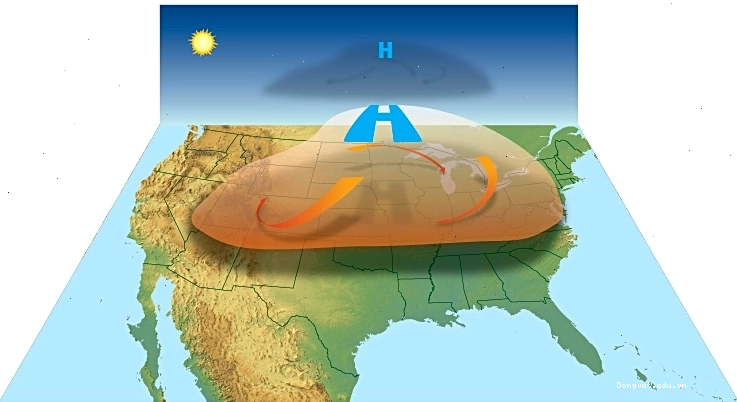
This mid-level high pressure acts like a dome or cap, effectively trapping heat at the Earth's surface. Summertime weather patterns are inherently slower to change than winter patterns, allowing these high-pressure systems to move sluggishly. Under this persistent high pressure, air subsides, meaning it sinks towards the surface. This sinking air reinforces the atmospheric cap, further preventing heat from lifting and dissipating. The absence of lift also means minimal or no convection, leading to few or no convective clouds like cumulus, and consequently, a very low chance of rain. The cumulative effect is a continuous build-up of heat at the surface, which manifests as a debilitating heat wave.
The Critical Role of Humidity in Perceived Heat
There's an old saying: "It's not the heat, it's the humidity." In reality, it is the combination of both heat and humidity that poses the greatest threat and discomfort. The Heat Index, also known as the 'feels like' temperature, quantifies this combined effect, providing a more accurate measure of how oppressive the weather truly is. When the air holds a high concentration of moisture, as indicated by a high dew point, the body's natural cooling mechanisms become significantly less effective.
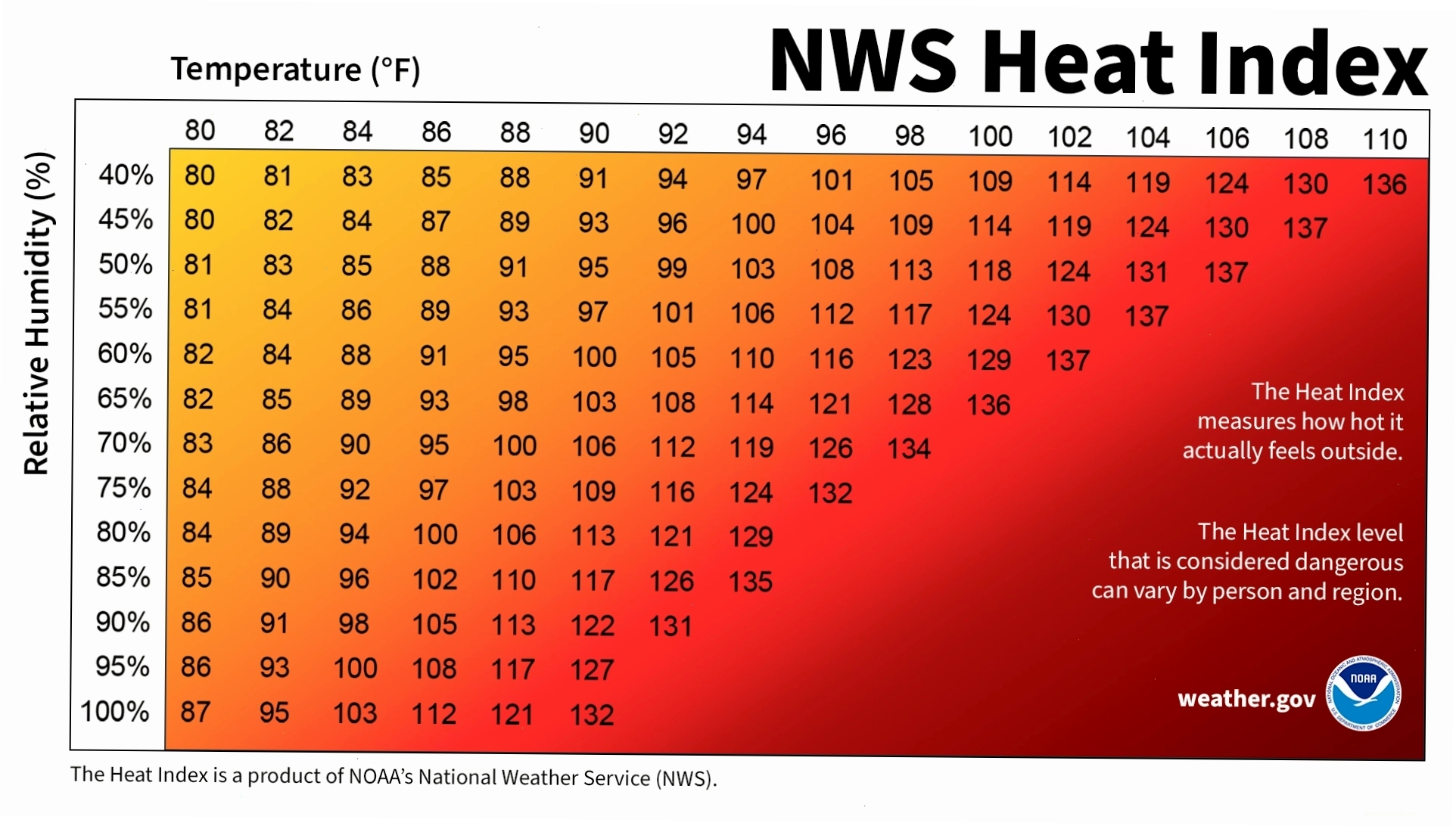
The elevated dew point means that the air is already nearly saturated with moisture. When we sweat, our bodies rely on the evaporation of that sweat to carry away excess heat. However, in highly humid conditions, the air cannot absorb much more moisture. This reduces the rate of evaporation from the skin, trapping heat within the body and making the environment feel far hotter and more uncomfortable than the dry-bulb temperature alone would suggest. This directly impacts the
How Our Bodies Cope with High Dew Point Conditions
The human body possesses sophisticated mechanisms to regulate its temperature, but these are severely challenged by high humidity and sustained heat.
The Body's Natural Cooling Mechanisms
Our bodies dissipate heat primarily through several methods. Firstly, by varying the rate and depth of blood circulation: as the body heats up, the heart pumps more blood, and blood vessels dilate, bringing more blood closer to the skin's surface. This allows excess heat to radiate or convect into the relatively cooler atmosphere. Secondly, sweating is a crucial process where the body’s heat causes water in sweat to turn into water vapor, taking that heat with it as it evaporates. Lastly, as a desperate measure, panting can also help to release heat.
However, in environments with a high
Monitoring and Understanding Dew Point India
Accurate meteorological data is essential for both predicting and responding to challenging weather conditions. Keeping informed about the local

Meteorological services provide current dew point readings alongside other parameters like temperature, wind, and air masses. These data points are crucial for understanding the overall atmospheric conditions and forecasting the likelihood of humid or dry spells. For up-to-date information on various weather parameters, you can check weather india forecasts regularly. Such information is vital for planning and preparing for the day.

Understanding the implications of dew point is part of a broader meteorological literacy. For any questions regarding weather phenomena and forecasts, it is always helpful to refer to reliable sources. You can often find detailed explanations and answers to common queries in dedicated FAQ sections provided by meteorological platforms, ensuring you are well-equipped with knowledge to navigate India's diverse climate.
Essential Considerations for High Humidity Climates
Living comfortably and safely in a climate characterized by high humidity, like many regions in India, requires a proactive approach. Understanding the dew point is not just academic; it's a practical tool for personal well-being and public health.
Always stay hydrated, wear lightweight and breathable clothing, and minimize strenuous outdoor activities during peak heat and humidity. Recognizing the signs of heat stress and taking immediate action can prevent serious health complications. By staying informed about local weather conditions, particularly the